Security on the darknet demands a multi-layered approach. No single tool or configuration provides comprehensive protection. This guide covers the essential practices for endpoint hardening, network privacy, data encryption, and behavioral security that every researcher and security professional should implement.
Endpoint Security Fundamentals
The device used for darknet research represents the most critical attack surface. A compromised endpoint negates all other security measures. The recommended approach is running a dedicated, disposable operating system designed for security research.
Two operating systems dominate the security research landscape:
- Tails OS: A live operating system that routes all connections through Tor and leaves no traces on the host machine unless explicitly instructed. Tails is designed for temporary use on nearly any computer, making it ideal for public or shared access scenarios.
- Whonix: A workstation and gateway architecture where the gateway handles all networking through Tor, and the workstation is completely isolated from the physical network. Even malware gaining root on the workstation cannot discover the user's real IP address.
Why Tails Over a Normal OS
Running Tor Browser on a standard Windows or macOS installation exposes the user to numerous deanonymization risks. The host OS may have telemetry, background processes, and networking stacks that leak information. Tails eliminates these vectors by booting from USB, operating entirely in RAM, and discarding all state on shutdown.
For serious darknet research, never use your primary operating system. Always use a dedicated, air-gapped, or live-boot environment.
Network Configuration Best Practices
Network-level privacy requires careful configuration of both the VPN layer and the Tor connection. The recommended architecture is VPN to Tor: connecting to a trusted VPN server first, then launching Tor from within the encrypted VPN tunnel.
This configuration protects against your ISP observing that you are connecting to Tor entry nodes — though your VPN provider will see both the VPN connection and Tor activity. Choose a VPN provider with a verified no-logs policy, preferably one accepting cryptocurrency payments for additional privacy.
| Configuration | ISP Visibility | VPN Visibility | Tor Node Visibility |
|---|---|---|---|
| Direct Tor | Tor usage detected | N/A | Full traffic |
| VPN → Tor | VPN usage only | Full Tor traffic | Full traffic |
| Tor → VPN | Tor usage detected | Limited (only exit) | Full traffic |
| VPN → Tor → VPN | VPN usage only | Encrypted channel | Full traffic (double encrypted) |
Encryption and Data Protection
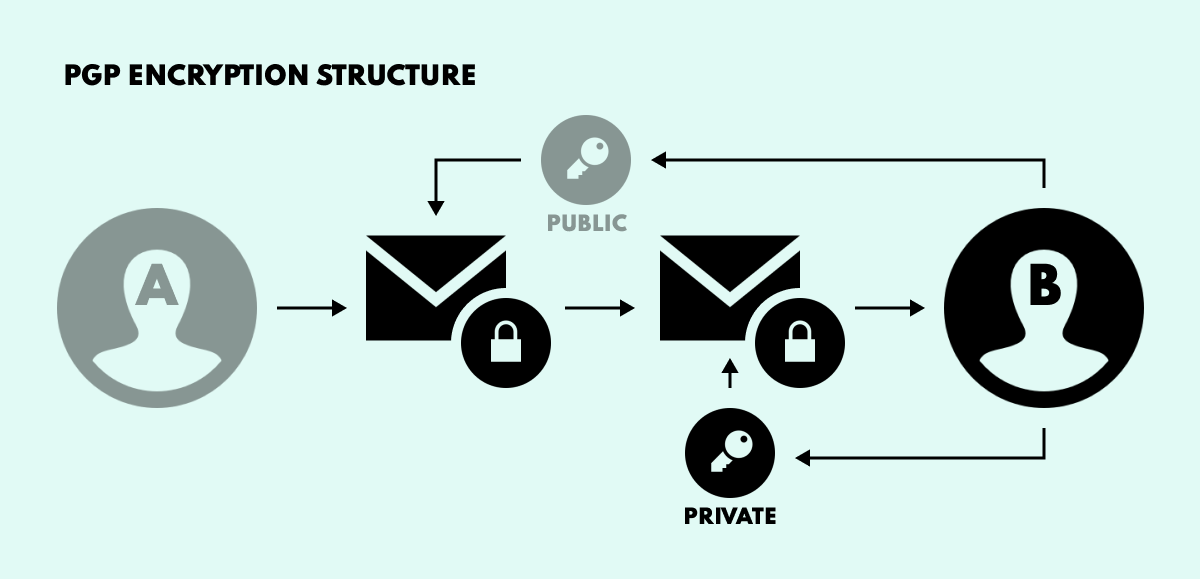
All sensitive communications and stored data should use strong encryption. GPG (GNU Privacy Guard) remains the standard for email and document encryption. Key management practices are equally important — never store private keys on the same system used for darknet access, and always use strong passphrases.
For file storage, VeraCrypt encrypted volumes provide plausible deniability through hidden volume configurations. When downloading files from the internet, always scan them in an isolated sandbox before transferring to any persistent storage system.
Practical Encryption Checklist
- Use GPG for all PGP-encrypted communications
- Store encryption keys on an offline hardware token or USB drive
- Create VeraCrypt hidden volumes for sensitive data
- Use unique, randomly generated passwords for each account
- Enable full-disk encryption on all devices
- Never store plaintext chat logs or session data on disk
Behavioral OpSec Guidelines
Technical security measures are undermined by behavioral mistakes. The principle of identity separation — never mixing research and personal personas — is fundamental. This includes avoiding cross-platform logins, not accessing personal services from research environments, and never using personal devices or accounts for sensitive research.
Additional behavioral practices include maintaining consistent writing styles (which can be fingerprinted), avoiding metadata in uploaded files (EXIF data, document properties), and never reusing usernames or email addresses across different services or accounts.
Further Resources
Professional Take on Darknet Security
For a professional breakdown of OpSec and endpoint protection practices for cybersecurity teams, see our analysis:
LinkedIn analysis: cybersecurity insights on darknet markets and digital privacy by BlackOps Market
LinkedIn is a third-party platform. Verify any technical claims independently and follow your local laws.
For a deeper dive into the tools and technologies enabling these security practices, see our Anonymity Tools for the Darknet article. For background on darknet infrastructure, read our Darknet Overview. For marketplace analysis guidance, see the BlackOps Market Guide.